A track, not a pile
Learn to draw
Where to start and what comes next: a short track from big shapes to faces to bodies to people, with lessons for each stage.
Children do not need drawing theory; they need a few good habits and a lot of drawings that work. The habits are: start with a big light shape, put the small parts on after, and only draw the new line. The track below gives you an order to do that in. Do two or three lessons from each stage before moving on, nothing is locked, it is just a sensible order.
Teaching a child to draw is mostly sitting next to them and naming shapes. “That is an egg. Those are two triangles.” The lessons say the same things in the same words, so you can read the step out loud and draw on your own page at the same time.
Stage 1: one big shape
A circle becomes a ball or the sun; an oval becomes an egg; a triangle becomes a tent. The lesson is really “draw one shape well”.

How to Draw a Ball
11 steps

How to Draw the Sun
10 steps

How to Draw an Egg
10 steps
How to Draw a Tent
10 steps

How to Draw a Box
11 steps
How to Draw an Apple
10 steps
How to Draw an Orange
10 steps

How to Draw a Donut
10 steps

How to Draw the Moon
10 steps

How to Draw a Star
10 steps
How to Draw a Pyramid
10 steps
How to Draw an Igloo
10 steps
Stage 2: faces
A shape plus ears, eyes and a nose. This is where most children first draw something they recognise.
How to Draw a Cat Face
10 steps

How to Draw a Dog Face
9 steps

How to Draw a Bear Face
8 steps

How to Draw a Panda Face
7 steps

How to Draw a Fox Face
9 steps

How to Draw a Bunny Face
9 steps
How to Draw a Lion Face
11 steps

How to Draw a Monkey Face
10 steps

How to Draw a Smiley Face
9 steps

How to Draw a Cartoon Face
12 steps
Stage 3: whole animals
Head, body, legs, tail, in that order, every time. Once that order is a habit, any animal is possible.
How to Draw a Cat
12 steps

How to Draw a Dog
13 steps

How to Draw a Duck
12 steps
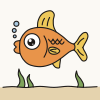
How to Draw a Fish
13 steps

How to Draw a Bird
12 steps
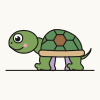
How to Draw a Turtle
13 steps

How to Draw an Elephant
12 steps

How to Draw a Fox
12 steps

How to Draw a Penguin
12 steps

How to Draw a Horse
12 steps
Stage 4: people and hands
Simple figures first, then a hand, an eye and a face in profile.

How to Draw a Person
12 steps

How to Draw a Kid
13 steps

How to Draw a Boy
12 steps

How to Draw a Girl
13 steps

How to Draw a Hand
10 steps

How to Draw an Eye
10 steps

How to Draw Eyes
10 steps

How to Draw a Smile
9 steps

How to Draw a Face Profile
10 steps

How to Draw a Dancer
13 steps

How to Draw a Runner
13 steps

How to Draw an Astronaut
13 steps
Stage 5: more detail
Same method, more steps: these are the lessons that feel like a real achievement.

How to Draw a Dragon
15 steps

How to Draw a Tiger
15 steps

How to Draw an Eagle
12 steps
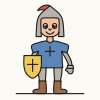
How to Draw a Knight
14 steps

How to Draw a Castle
13 steps

How to Draw a Pirate Ship
13 steps

How to Draw Anime Eyes
10 steps
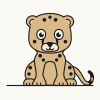
How to Draw a Cheetah
13 steps
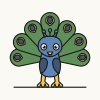
How to Draw a Peacock
13 steps
Questions parents and teachers ask
How do I teach my child to draw?
Sit beside them with your own paper, pick a lesson, read each step out loud and draw it yourself. Name the shapes, praise the trying, and don’t draw on their page. Ten minutes a few times a week beats one long session.
What age can a child start learning to draw?
Around three or four for faces and single shapes, with a grown-up drawing along. By five or six most children can follow a ten-step lesson on their own.
Are there drawing classes or courses?
Not as such, there is no signup or schedule. The track on this page is a free, self-paced order to follow, and every lesson is open.